


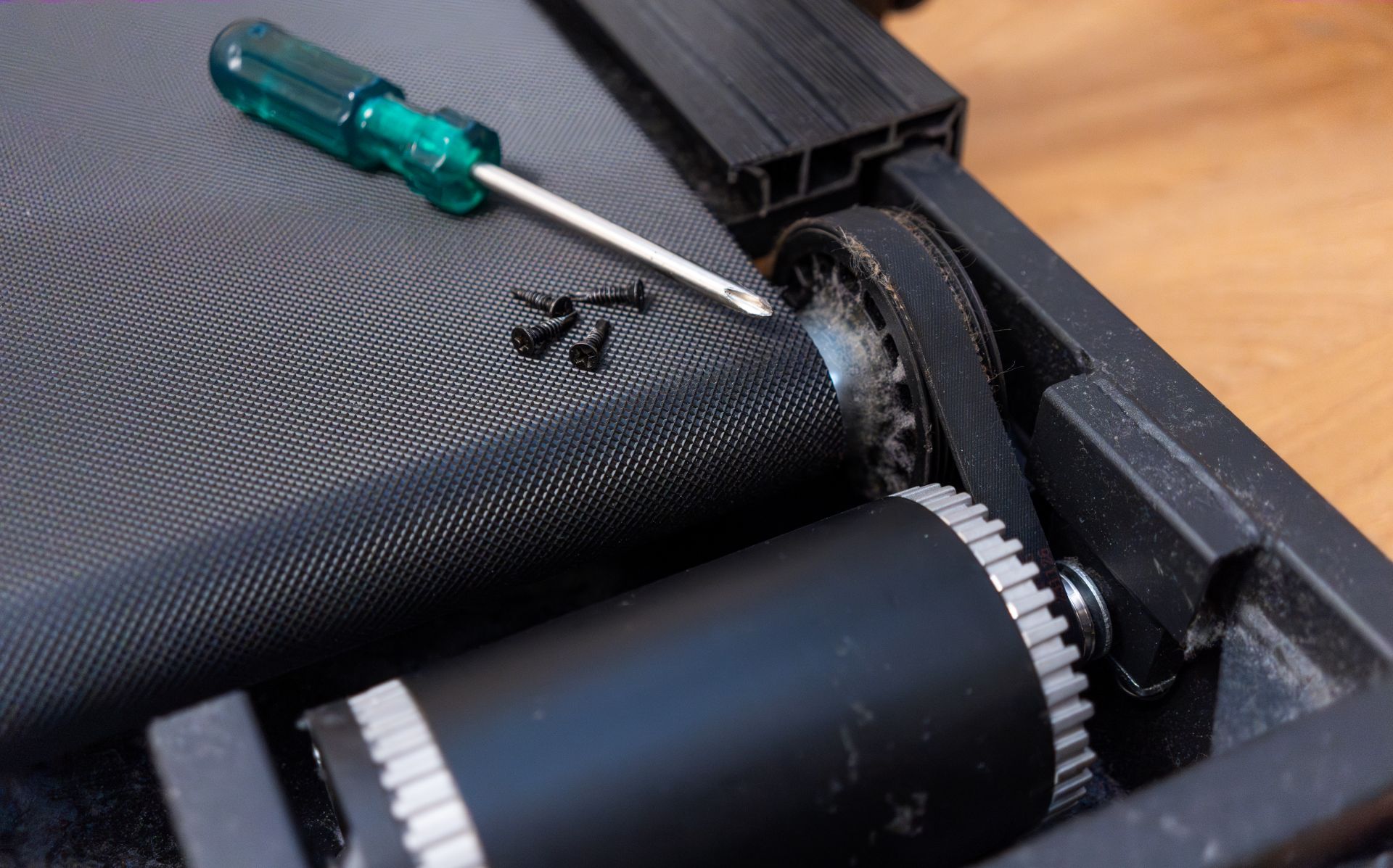
Owning a treadmill on the Gulf Coast means dealing with salt air, relentless humidity, and summer heat that can shorten your machine's life faster than you'd expect. The good news: most common problems are preventable with basic DIY care. This guide walks you through belt lubrication, cleaning routines, motor checks, and safety inspections so you can save money, avoid downtime, and know exactly when it's time to call a professional for treadmill repair in Pensacola and the surrounding area.
Key Takeaways
- Regular treadmill maintenance in coastal climates like Pensacola, FL can extend your machine's lifespan from a neglected 3–5 years to a well-kept 7–10 years, saving significant money on emergency running machine repairs.
- DIY care covers four core areas: belt and deck lubrication, cleaning and dust control, motor care basics, and periodic safety checks for all fitness equipment.
- Stop DIY work and contact a treadmill repair technician when you notice burning smells, tripped breakers, persistent error codes, or structural belt and deck damage.
- Fitness Master provides treadmill services directly to homes, apartment complexes, and small studios throughout Northwest Florida and South Alabama, repairing treadmills, ellipticals, and other home gym equipment.
- This article includes practical checklists and a FAQ section covering maintenance schedules, warranty considerations, and repair vs. replacement decisions.
Why Regular Treadmill Maintenance Matters
Picture a treadmill in a Pensacola garage, two blocks from the beach. One morning it starts squeaking, then shuts off mid-run. The culprit is almost always the same: heat, humidity, and neglect working together.
The Gulf Coast climate creates specific challenges for gym equipment:
- High year-round humidity keeps moisture in contact with metal parts and electronics.
- Airborne salt accelerates corrosion on rollers, bolts, and circuit board connectors.
- Intense summer heat pushes motors harder, especially in poorly ventilated rooms.
- Frequent rain and coastal storms mean moisture intrusion is a constant risk.
The payoff for consistent upkeep is real: a properly maintained home treadmill often lasts 7–10 years instead of 3–5. You'll also experience smoother belt feel, fewer surprise breakdowns, and lower long-term cost than repeated emergency repair calls.
Keep in mind that light-use home gym equipment running a few hours per week needs less frequent attention than commercial machines in apartment gyms or hotels that log multiple hours daily. Either way, scheduling a professional treadmill repairing service visit every 12–24 months is a smart safety net, especially before busy training seasons.
Belt Lubrication and Alignment
The walking belt and deck are the road your feet hit every session. Friction between them is the single most common cause of overheating, sluggish speed, and premature motor strain.
Signs the belt needs attention:
- Jerky movement or a feeling that it slips underfoot
- Visible dryness or fraying along the belt edges
- A burning rubber smell after 15–20 minutes of use
Step-by-step lubrication process:
- Unplug the machine completely.
- Gently lift one side of the belt away from the deck.
- Apply 100% silicone-based treadmill lubricant in a zigzag pattern along the center of the deck surface. Never use WD-40, petroleum sprays, or cooking oils, they degrade rubber and can void your warranty.
- Lower the belt, plug in, and run at low speed for 2–3 minutes to distribute the lubricant evenly.
- Walk on the belt briefly to help it spread, then wipe any excess from the edges.
For a home gym in a humid coastal climate, lubricate the belt every 3 months with regular use. If multiple family members use the same treadmill, shorten that interval to every 6–8 weeks. Not sure which lubricant is right for your specific model? Fitness Master can point you to the correct type and grade before you apply anything to the belt.
Alignment adjustments use the rear roller bolts. Make tiny quarter-turn adjustments while the belt runs at slow speed, and stop immediately if the belt rubs the side rails. Misalignment, shredded edges, or repeated slipping after adjustment are strong signals to stop and schedule a treadmill repair technician visit.
Cleaning and Dust Prevention
Dust, pet hair, and sand are silent enemies of fitness equipment in coastal areas like Pensacola, FL, especially when machines sit in garages or near open windows where fine particles blow in.
Weekly wipe-down:
- Damp microfiber cloth with mild soap
- Focus on handrails, console, and side rails where sweat and salt accumulate
Monthly deeper clean:
- Vacuum the floor area around and under the deck
- Gently vacuum or dust motor cover vents and side openings without removing the cover, to avoid static discharge or wire damage
Coastal climate tips:
- Place a quality treadmill mat under the machine on tile or concrete floors
- Keep doors and windows closed during use if sand blows in from the coast
- Avoid placing home gym equipment directly under AC vents that drip condensation
Consistent cleaning helps prevent sensor errors and display glitches that might otherwise require paid treadmill services to diagnose and resolve.
Motor Care Basics
Think of the motor and control board as the heart and brain of your running machine. In the Gulf Coast's heat and humidity, they work harder and run hotter than identical equipment in a dry, temperate city.
Safe visual checks (always unplug first):
- Look for excessive dust buildup around the motor cover vents
- Check visible metal parts for corrosion or rust spots
- Note any burnt-plastic smell after a recent workout
Power supply best practices:
- Use a dedicated, grounded outlet whenever possible
- Avoid long, thin extension cords that cause voltage drops
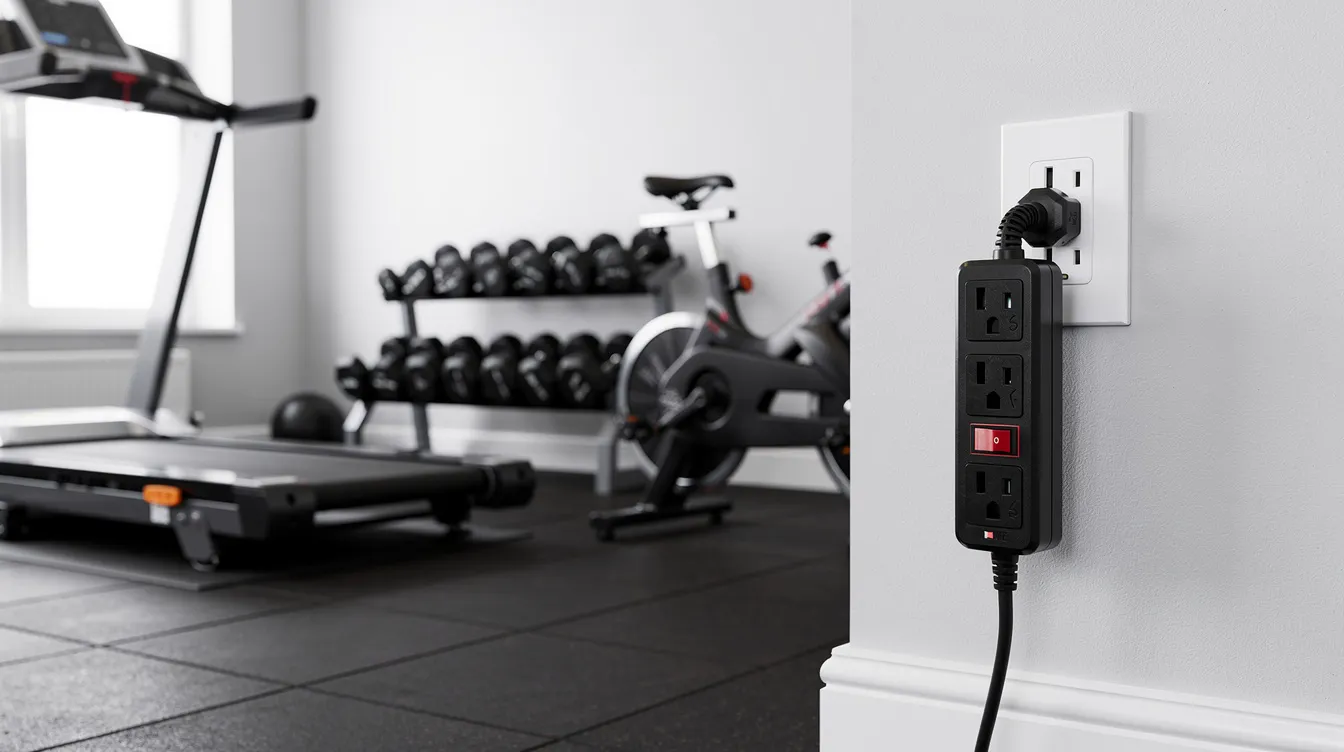
- Connect through a surge protector, Gulf Coast summer storms frequently cause voltage spikes that destroy control boards
Early warning signs of motor trouble:
- Treadmill slowing under load (noticeable when jogging vs. walking)
- Humming or buzzing without belt movement
- Repeated breaker trips
- E1/E2-style error codes on the console
Opening the motor housing beyond gentle dust removal is not recommended for most homeowners. It can void warranties and poses a shock risk. Burning smells, visible sparks, or repeated electrical issues are red-flag symptoms where a professional treadmill repairing service should be called immediately.
Safety and Performance Checks
Periodic safety checks protect both the user and the investment, whether the treadmill sits in a family house or a small apartment gym in Pensacola, FL.
Monthly safety checklist:
- Confirm the safety key stops the belt instantly when pulled
- Test the emergency stop button if your model has one
- Verify side rails are stable with no wobble
- Inspect the power cord for nicks, crushed sections, or overheating at the plug
Hardware and performance:
- Tighten visible bolts on uprights, console mast, and handrails
- Walk at 3–4 mph and listen for new rattling, squeaks, or scraping
- Jog briefly to check for speed surges or belt hesitation
Keep a simple log on your phone with maintenance dates, items replaced, and observations. This record is useful for warranty claims and helps any technician perform a faster job when you do schedule treadmill repair services.
Signs You Need Professional Treadmill Repair
Not every problem should be a DIY project. Timely professional help can prevent a minor issue from becoming a costly full replacement.
Call a technician when you notice:
- Loud grinding from the front roller or motor area
- A persistent burning rubber or electrical smell after cleaning and lubrication
- Repeated tripping of your home's breaker or mid-run shutdowns without obvious cause
- Console issues: dead display with power present, random error codes, unresponsive buttons, or incline moving on its own
- Structural damage: cracked decks, belts that tear or fold, or frames that visibly flex
Fitness Master handles treadmill and exercise equipment diagnosis and repairs throughout the Pensacola area, with on-site service so you avoid transporting heavy gym equipment. Technicians like William Bird and Stephen Derry bring years of hands-on experience to every visit. Before booking a visit, evaluate repair options based on service area and availability. Inquire about diagnostic fees and pricing structure before any work begins, and always ask for a clear written estimate before the technician starts.
Gather these details before calling: brand and model number, approximate age, a description of the issue, and when it first appeared, so the technician can bring likely parts and give you an accurate price.
Trust the Local Treadmill Experts in Pensacola, FL
When DIY maintenance isn't enough, working with a local company beats calling an out-of-town or online-only provider. A Pensacola-based team can visit your location the same week, carry region-appropriate parts, and understand the salt-air challenges that damage equipment throughout the Gulf Coast.
Core services to look for from a local provider include in-home treadmill repair, preventative maintenance visits for home gyms, and ongoing service plans for small commercial gyms in apartment complexes, hotels, or HOA fitness rooms. Professional installation is typically included with fitness equipment purchases from established local dealers.
When choosing a provider, keep these quality markers in mind:
- Experience and brand familiarity are crucial for reliable treadmill repair. Fitness Master has over 40 years of experience in installation, delivery, and home fitness equipment service across Northwest Florida and South Alabama.
- Look for technicians specializing in treadmill services rather than general appliance repair. Check if they can source OEM parts quickly for the brands found in Gulf Coast homes and gyms.
- Verify credentials and insurance for protection during treadmill repairs. Technicians should provide a warranty on labor and replacement parts.
- Recent customer reviews can indicate reliability and quality of service. Read them on Google and social media before you contact a provider.
Key service areas typically include East Hill, Cordova Park, Ferry Pass, Gulf Breeze, and Pace in Florida, extending into South Alabama communities near the state line. Support extends past treadmills to elliptical trainers, exercise bikes, rowers, and strength equipment for both home gym equipment setups and light commercial spaces.
Next step: Call, email, or submit a short online form to schedule a diagnostic visit, get a repair estimate, or set up regular treadmill services before issues start.
Building a Low-Maintenance Home Gym on the Gulf Coast
Smart planning when choosing and placing home gym equipment in coastal Florida and Alabama can dramatically reduce future repair needs.
- Location matters. A climate-controlled spare room is ideal. If your only option is a garage, pick a shaded, ventilated corner away from salt spray and direct sun.
- Choose wisely. When shopping for a treadmill or other equipment in a coastal climate, look for sealed electronics and rust-resistant finishes. Verify that local service and parts are available for the brands you're considering before you purchase.
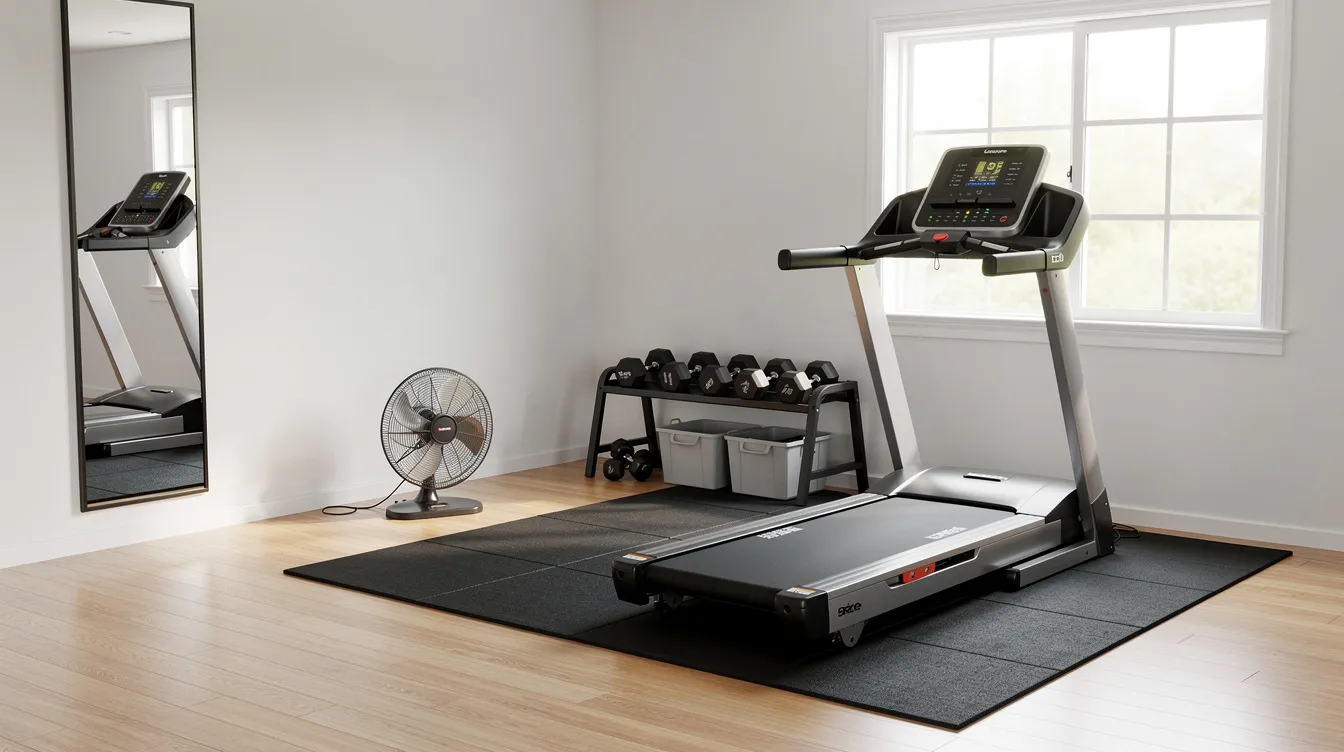
- Protect your investment. Add a high-quality equipment mat, a small dehumidifier in enclosed spaces, and a fan to improve airflow during workouts.
- Consult before you buy. Buyers in the Pensacola area can connect with local fitness equipment specialists for help comparing models, checking warranty terms, and understanding expected maintenance cost before they assemble a full home gym.
Combining good initial choices with the maintenance process outlined above is the easiest way to minimize treadmill repair calls and keep workouts consistent year-round. Start with the basics, trust the work to your own hands when you can, and call in a certified technician when something feels off. Consistent care is the cheapest insurance policy for any treadmill on the Gulf Coast.
FAQ
How often should I service my treadmill if I live in Pensacola or along the Gulf Coast?
For a typical home treadmill used 3–5 times per week, a basic DIY routine is usually sufficient: wipe down surfaces weekly, vacuum around the base monthly, and lubricate the belt every 3 months. In this humid, coastal environment, scheduling a professional tune-up every 12–18 months is recommended. Heavier-use treadmills in small gyms or apartment fitness rooms may need twice-yearly visits. Always follow your specific manufacturer's manual, because some newer decks are "no-lube" and have different service requirements.
Will DIY maintenance void my treadmill warranty?
Basic tasks like cleaning, vacuuming, and using manufacturer-approved belt lubricant generally do not void warranties, and are often required to keep coverage valid. Avoid opening sealed motor housings, modifying wiring, or using non-approved lubricants or replacement parts, as those activities can void warranties from many major brands. Check the owner's manual and warranty terms before performing any major testing or repairs. If you're unsure, contact a qualified treadmill repair technician in Pensacola for guidance.
Is it better to repair or replace an older treadmill?
Repair often makes sense when the frame and deck are structurally sound and the issue is limited to belts, rollers, sensors, or minor electronics on a machine under 8–10 years old. Consider replacement when the machine has repeated motor or control board failures, or when needed parts are discontinued or cost more than about half the price of a new unit. If you do replace it, treadmills can be recycled since they consist of recyclable components like metal and electronics. Many local recycling centers and donation programs accept working or repairable units, check with your municipality or a local fitness equipment provider for current options in your area. The team at Fitness Master can inspect an older machine and give an honest repair-versus-replace recommendation based on current condition and parts availability.
Can I move my treadmill myself without damaging it?
Many folding home treadmills can be carefully tilted and rolled by two adults using built-in wheels. Heavier non-folding models found in some home gyms and condo fitness rooms are harder to move safely. Always unplug the unit first, secure the safety key and cord, and avoid sharp tilts that could crack the deck or damage the console. For tight stairways, second-floor moves, or commercial-grade gym equipment, it's safer to hire professionals like Fitness Master's William Bird and Stephen Derry, experienced in disassembling, transporting, and reassembling treadmills throughout the region.
What should I do if my treadmill gets wet during a storm or leak?
Unplug the treadmill immediately and do not try to turn it back on until it has completely dried and been inspected. Dry the exterior, move the machine to a dry, well-ventilated place, and avoid using space heaters or hair dryers directly on electronics. If water reached the motor area, console, or internal wiring, contact a treadmill repair technician, hidden corrosion can cause delayed failures or electrical hazards that are not safe to ignore.