

Building a home gym can feel overwhelming fast. Walk into any fitness equipment store, or scroll through options online, and you're hit with dozens of machines, brands, and price points with no clear starting point. The good news is that choosing the best equipment for a home gym doesn't have to be complicated once you break it down by room size, price range, and personal fitness goals. This guide walks through exactly how to plan a setup that fits your life and your fitness journey, not someone else's Instagram setup.
Key Takeaways
- Start with your available room and funds before you look at a single piece of equipment, they'll narrow your options more than any brand or feature list.
- A well-planned home gym for beginners usually needs just three or four core pieces, not a warehouse full of machines.
- Brands like HOIST Fitness, Major Fitness, Spirit Fitness, and TRUE each bring different strengths depending on your setup and training goals.
- Affordable equipment doesn't have to mean low quality, it means being strategic about what you buy first.
- Visit Fitness Master to see and try equipment from these brands in person before committing to a purchase.
Start With Your Space
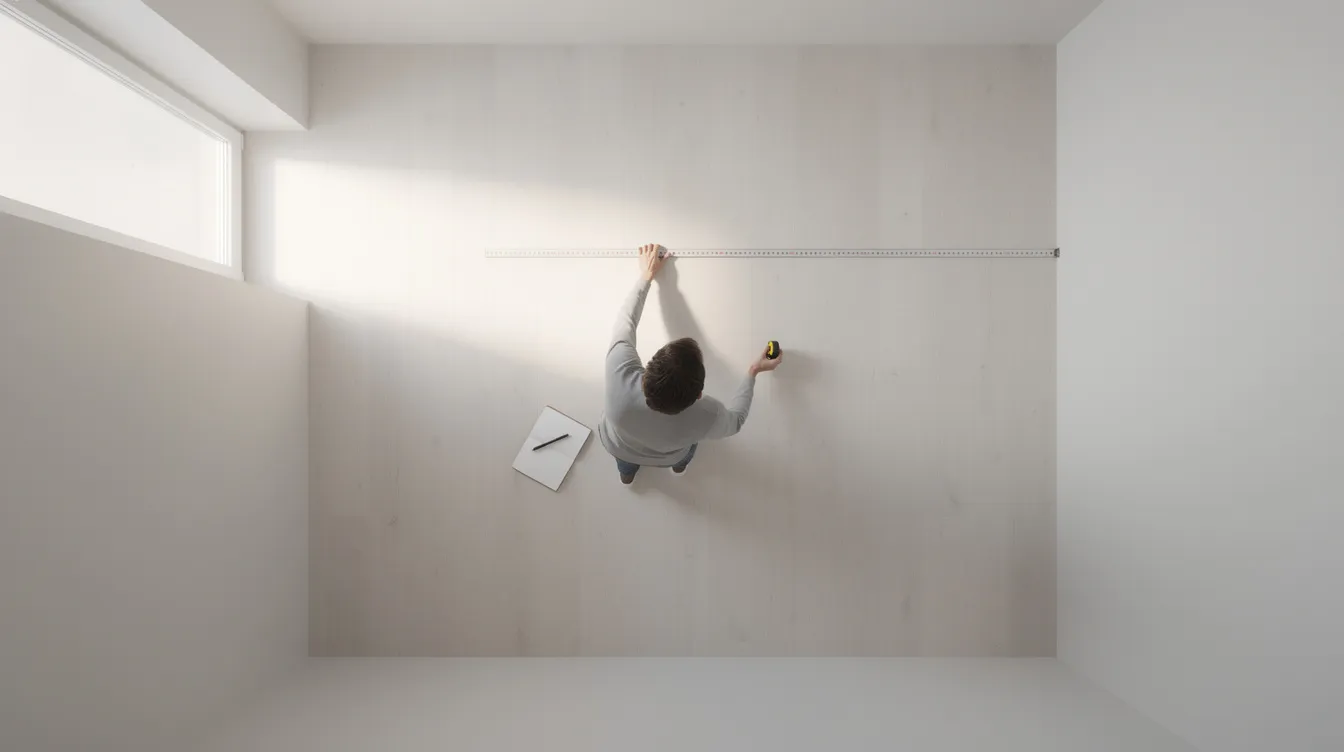
Before you think about brands or price, figure out exactly how much room you're working with. This single factor eliminates more equipment options than anything else on this list.
If your room is small (a spare bedroom, a corner of a garage, a closet-sized nook):
- Prioritize compact or foldable equipment
- Look for vertical storage options, like wall-mounted racks or upright cardio machines
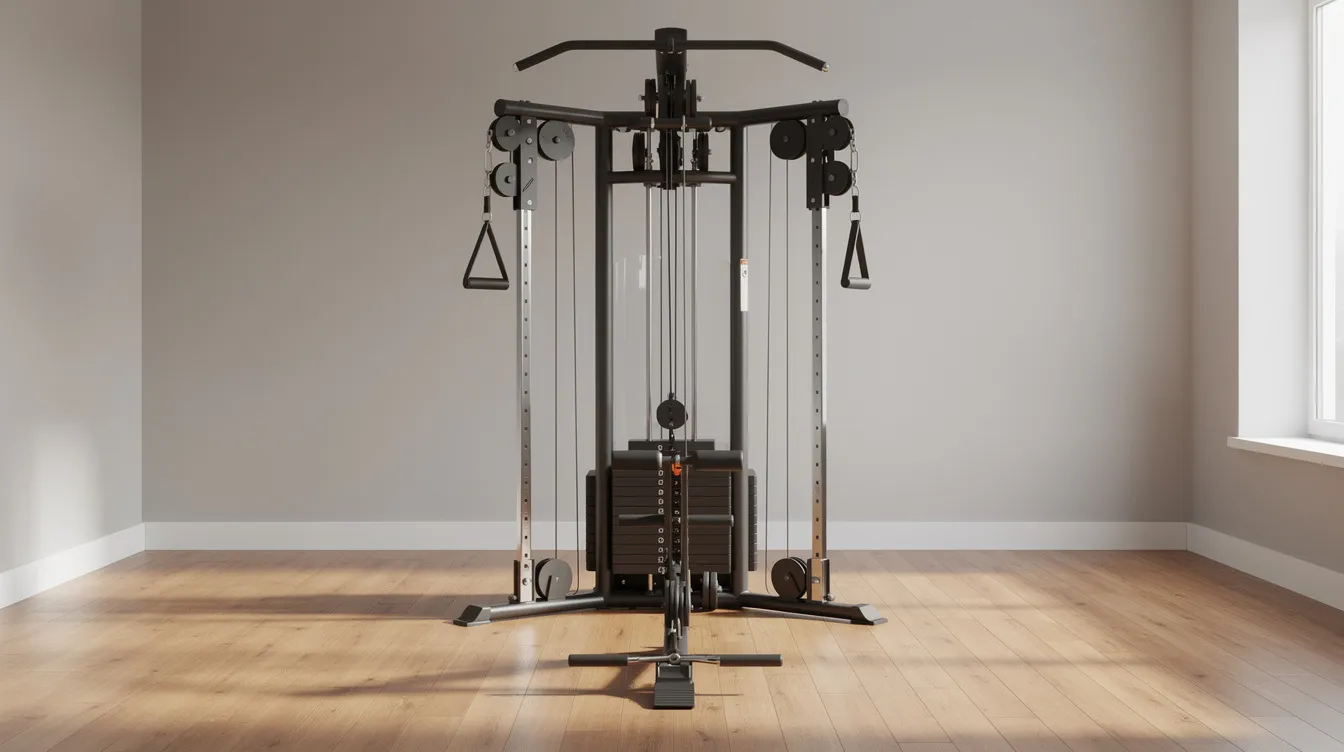
- Consider all-in-one home gym machines that combine several exercises into a single footprint
If you have a dedicated room or a larger garage:
- You have more flexibility to build out a full setup with separate cardio and strength zones
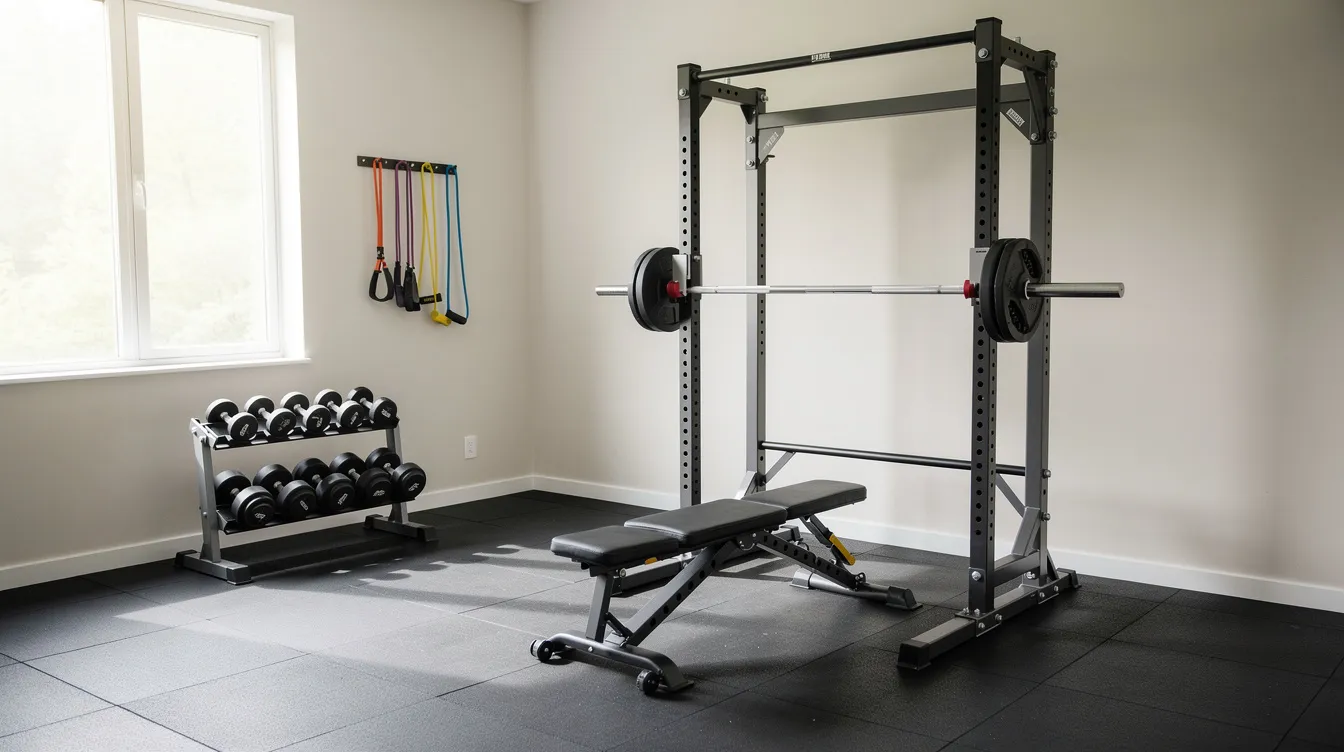
- Floor room for a power rack, bench, and free weights becomes realistic
- You can plan for future equipment additions without cramming everything in from day one
Measure the area before you buy anything, including ceiling height if you're considering a pull-up bar, rack, or any equipment with an upright frame. It's one of the most common and costly beginner mistakes: buying a treadmill or elliptical that technically fits the room but leaves no room to actually use it comfortably.
Set Your Budget First
Home gym equipment ranges from under $100 for a basic set of resistance bands to several thousand dollars for a fully outfitted setup with commercial-grade machines. Setting a realistic price range before you shop keeps you from either overspending on features you don't need or underspending on a piece of equipment you'll outgrow in six months.
A simple way to approach affordable home gym equipment:
- Starter tier: Focus on one or two versatile pieces (adjustable dumbbells, a yoga mat, resistance bands) that support a wide range of workouts
- Mid-range tier: Add a primary cardio machine or a compact all-in-one strength machine
- Higher tier: Build toward a complete setup with a power rack, bench, weight plates, dedicated cardio equipment, and accessories
It's worth spending more upfront on the piece of equipment you'll use most often. If you're primarily a cardio person, that might mean investing more in a quality treadmill or one of the better exercise bikes and less on strength accessories you'll rarely touch. If strength training is your priority, the reverse applies.
Core Equipment Categories to Prioritize
Rather than trying to buy everything at once, prioritize based on what actually moves you toward your fitness goals.
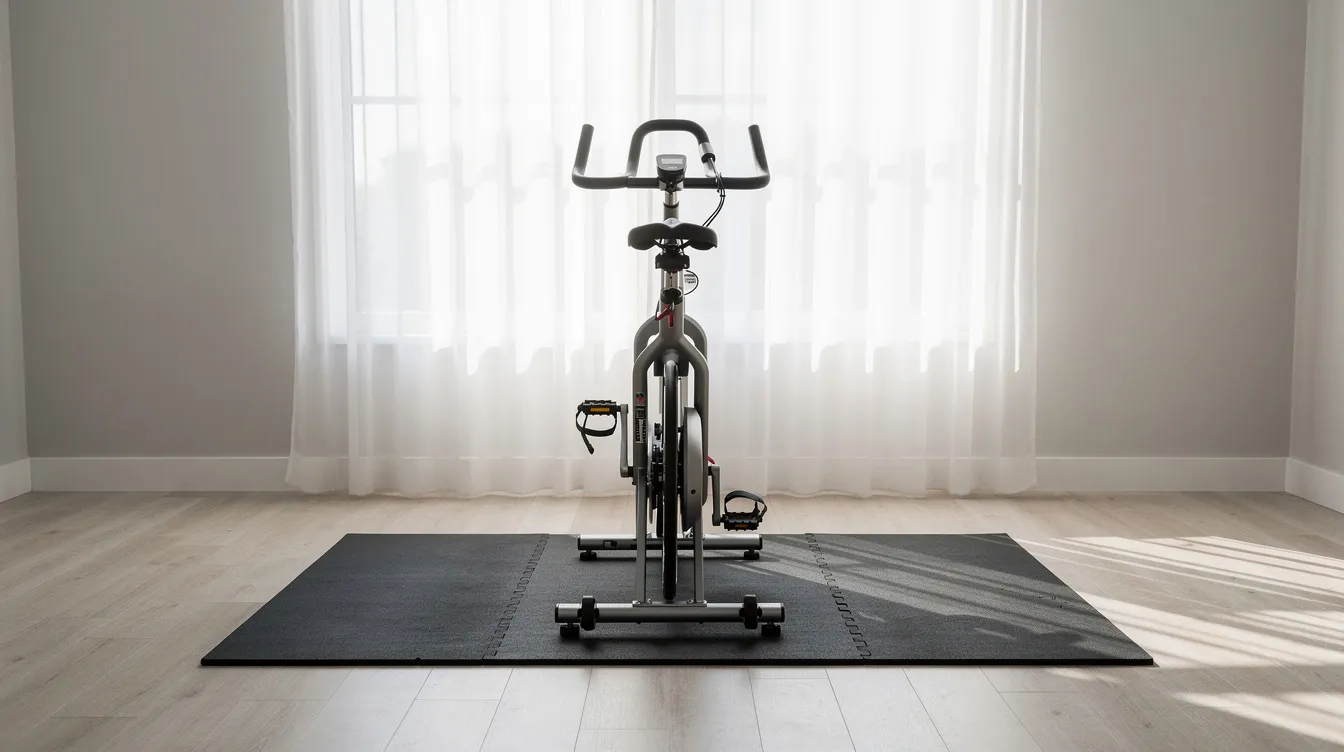
Cardio: Treadmills, exercise bikes, and rowing machines are the most common starting points. A treadmill with incline capability adds versatility and helps with conditioning beyond flat walking or running. Choose based on what you'll actually enjoy using consistently, the best cardio machine is the one that doesn't collect dust after month two.
Strength training basics: A set of adjustable dumbbells, a stable bench, and either a compact rack or resistance bands cover the majority of strength training needs for beginners without requiring a dedicated weight room. As you progress, weight plates and a barbell add the ability to load more resistance, while a smith machine offers guided stability for squats and presses without needing a spotter.
All-in-one home gym machines: For limited room, a single multi-station machine can replace what would otherwise be six or seven separate pieces of equipment. These are especially popular for home gym equipment for beginners, since they come with guided movement patterns that reduce the learning curve and support a full body workout in one place.
Accessories: A quality yoga mat, foam roller, and a few sets of resistance bands round out a setup without taking up meaningful room or cost, and they're just as useful for stretching and body weight exercises as they are for weight training.
What You Can Actually Do With This Equipment
It helps to think in terms of the exercises you'll actually perform, not just the machines themselves. A basic setup of dumbbells, a bench, and a rack supports staple full body workout movements like squats, presses, rows, and bicep curls. Resistance bands let you add resistance to body weight exercises like squats and glute bridges when you don't have access to weight plates. Cardio equipment supports both steady-state conditioning and interval training, useful whether your goal is general fitness, muscle maintenance, or weight loss. The importance of variety here is real: rotating between strength work and cardio protects against overuse and keeps a fitness routine sustainable long-term.
Brand Spotlight: What to Look For
Not all fitness equipment brands are built the same, and the right choice often comes down to your room, your price range, and how much you plan to use the equipment.
Major Fitness has become one of the most requested brands in-store, and it's easy to see why. Major Fitness is known for well-built, space-efficient home gym systems, including popular all-in-one and functional trainer setups, that deliver commercial-quality performance without requiring a commercial-sized room. If you're only going to seriously consider one brand while you shop, Major Fitness is worth putting at the top of your list.
HOIST Fitness has a long track record in both commercial and home fitness equipment, known for durable strength machines and racks built to last well beyond the first few years of use.
Spirit Fitness is a strong option for cardio equipment specifically, with a reputation for smooth, reliable treadmills, bikes, and ellipticals that hold up under regular home use.
TRUE rounds out the group with a long-standing reputation in the cardio equipment space, particularly for treadmills built with a focus on comfort and joint-friendly stability over years of use.
Visit Fitness Master to see equipment from all four brands in person, since specs on a webpage only tell part of the story compared to actually standing on a treadmill or testing a machine's range of motion yourself.
All-in-One vs. Building Piece by Piece
This is one of the biggest decisions in planning a home gym, and there's no universally right answer.
All-in-one machines make sense when:
- Room is limited
- You're new to strength training and want guided movement patterns
- You want one purchase to cover multiple exercise types
Building piece by piece makes sense when:
- You have more available room
- You already know your training style and preferences
- You want the flexibility to upgrade individual pieces over time
Many people start with an all-in-one setup and add individual pieces later as their room, funds, or training goals evolve. There's no rule that says you have to pick one approach and stick with it forever.
Common Mistakes to Avoid
- Buying too much too fast. A minimal setup you'll actually use consistently beats a fully-loaded room that overwhelms you.
- Ignoring floor room and ceiling height. Measure everything, including doorways and stairwells you'll need to move equipment through.
- Choosing cheap over durable. The least expensive option isn't always the best value if it needs replacing within a year.
- Skipping accessories. A mat and basic accessories are inexpensive but make a real difference in comfort and equipment protection.
- Not testing equipment first. Specs and reviews only tell part of the story, especially for cardio equipment where fit and feel matter.
Visit Fitness Master to Build Your Home Gym Right
Reading through specs and reviews only gets you so far. The team at Fitness Master can walk you through options from HOIST Fitness, Major Fitness, Spirit Fitness, and TRUE based on your actual room, price range, and goals, not a generic recommendation. Whether you're starting with a single piece of equipment or planning a complete setup, browse our full equipment lineup or stop by to see and test the right equipment in person before you commit.
FAQ
What is the best equipment for a home gym on a budget?
A set of adjustable dumbbells, resistance bands, and a quality yoga mat cover a wide range of workouts at a low cost. From there, adding one primary piece, either a cardio machine or a compact all-in-one strength system, rounds out a functional affordable home gym equipment setup without overspending.
What home gym equipment is best for a small space?
Compact or foldable equipment is the priority when room is tight. All-in-one home gym machines are particularly well-suited, since they combine multiple exercise types into a single footprint, and vertical storage options like wall-mounted racks help keep the floor clear.
How much should I spend on home gym equipment as a beginner?
There's no universal number, but many beginners start in the $300–$800 range for a versatile core setup (adjustable dumbbells, a bench, and basic accessories) and expand from there as their training goals become clearer.
Are all-in-one home gym machines worth it?
For many people, yes, particularly those with limited room or who are new to strength training. All-in-one machines from brands like Major Fitness offer guided movement patterns and combine several exercises into one compact system, though dedicated individual equipment offers more flexibility for advanced training.
What brands should I look for when buying home gym equipment?
Look for brands with a track record of durability and reliable customer support. Major Fitness, HOIST Fitness, Spirit Fitness, and TRUE are all well-established options, each with particular strengths depending on whether you're prioritizing strength equipment, all-in-one systems, or cardio machines.
Should I buy home gym equipment online or in person?
Specs and reviews are a good starting point, but testing equipment in person, checking the feel of a machine's range of motion, the comfort of a treadmill belt, or the stability of a bench, helps you avoid buyer's remorse. Visiting a local fitness equipment retailer lets you compare options side by side before making a final decision.