

Choosing a piece of cardio equipment for your home gym is a bigger decision than it looks. When people compare an exercise bike vs rowing machine, or weigh either against a treadmill, they're really deciding how they want to work out for years to come. Treadmills, rowing machines, and exercise bikes each burn calories and build cardiovascular fitness, but they work your body differently, take up different amounts of space, and suit different fitness goals, budgets, and physical needs. This guide breaks down how treadmills, rowing machines, and exercise bikes compare so you can choose the machine that actually fits your fitness journey, not just the one that's trending.
Key Takeaways
- Treadmills offer the most natural, high-calorie-burn cardio workout but come with more impact on joints and take up the most floor space.
- Rowing machines deliver a full body workout that builds both cardiovascular endurance and muscle engagement, in a compact footprint.
- Recumbent bikes and other exercise bikes are the gentlest on joints and easiest to use for extended periods, making them a strong choice for older adults, beginners, or anyone recovering from injury or managing knee pain.
- The "best" machine depends on your fitness goals, physical limitations, available space, and budget, not any single universal winner.
- Visit Fitness Master in Pensacola to try treadmills, rowing machines, and exercise bikes in person before you buy.
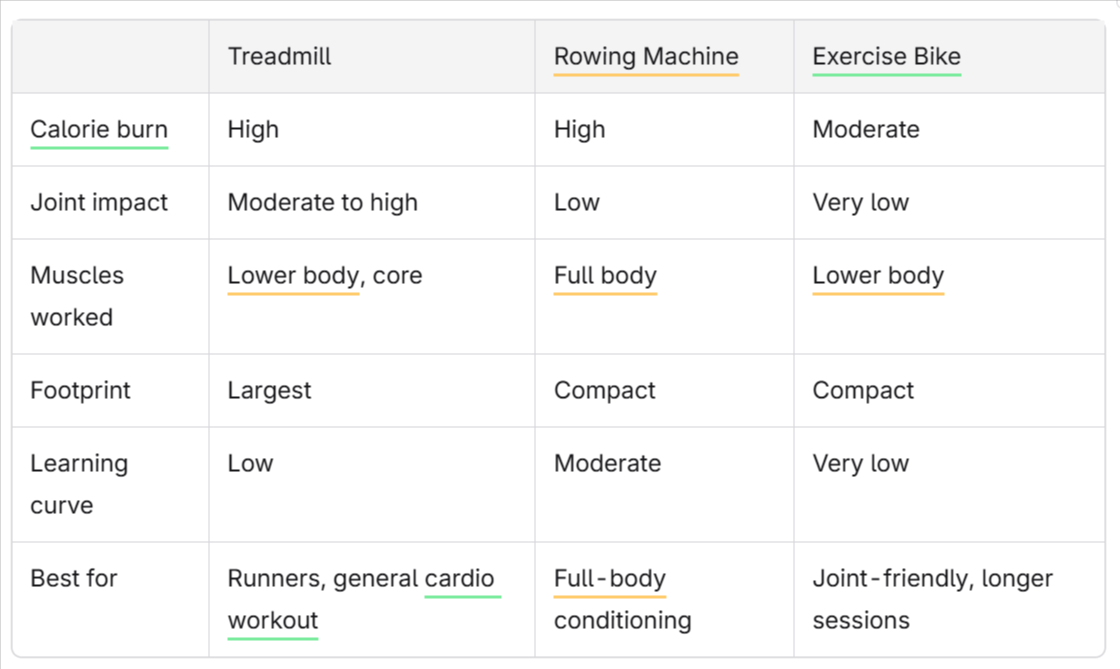
Quick Comparison Snapshot
Treadmills: Pros, Cons, and Who They're Best For
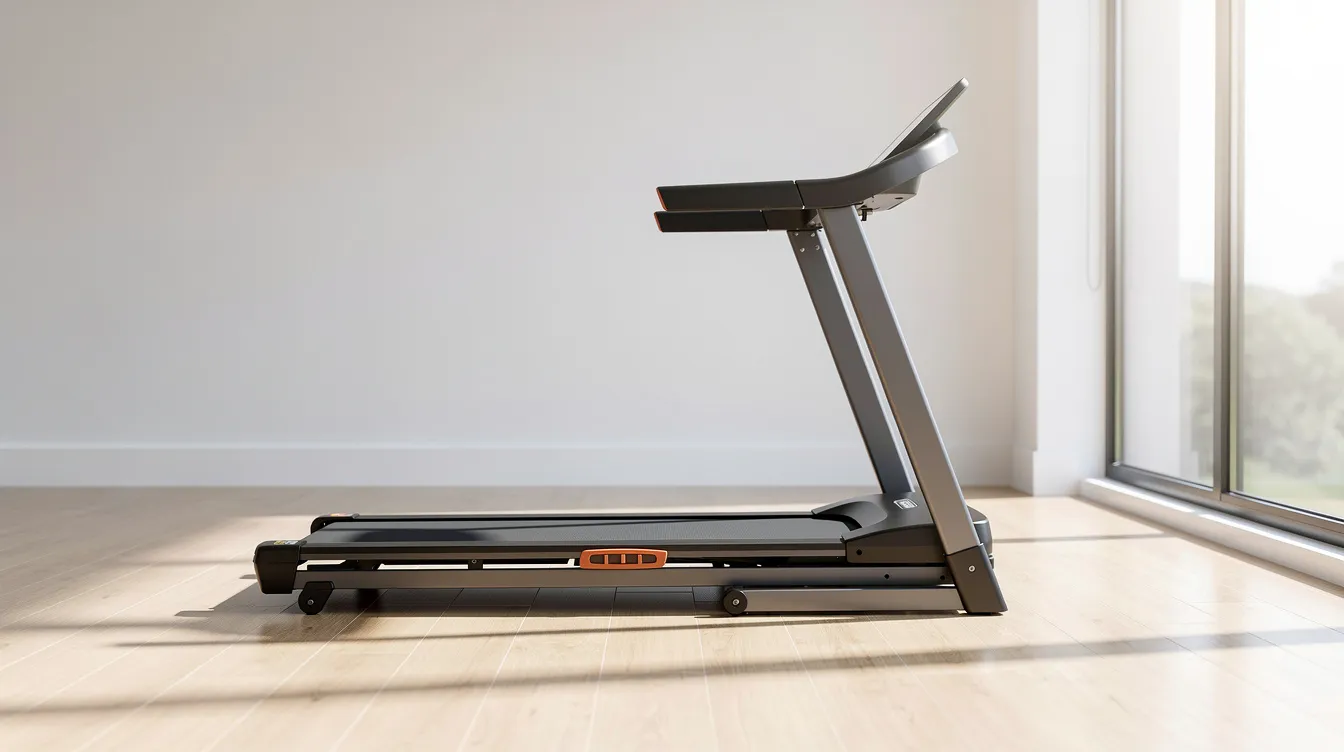
Treadmills replicate the most natural form of cardio there is: walking and running. That familiarity is a big part of their appeal, and it's why they remain one of the most popular pieces of home cardio equipment for anyone building a cardio workout routine.
Pros:
- Natural movement pattern with no learning curve
- Adjustable incline for added intensity and variety
- High calorie burn per minute, especially at faster paces or steeper inclines
- Easy to track progress with built-in metrics like pace, distance, and heart rate
Cons:
- Higher impact on knees, hips, and ankles compared to rowing or cycling, which can aggravate existing knee pain
- Largest footprint of the three, even when folded
- Motor and belt components require regular maintenance
- Can be intimidating for beginners at higher speeds or inclines
Best for: People training for runs or walks, those who want a familiar and intuitive workout, and anyone prioritizing calorie burn who doesn't have joint limitations.
Rowing Machines: Pros, Cons, and Who They're Best For
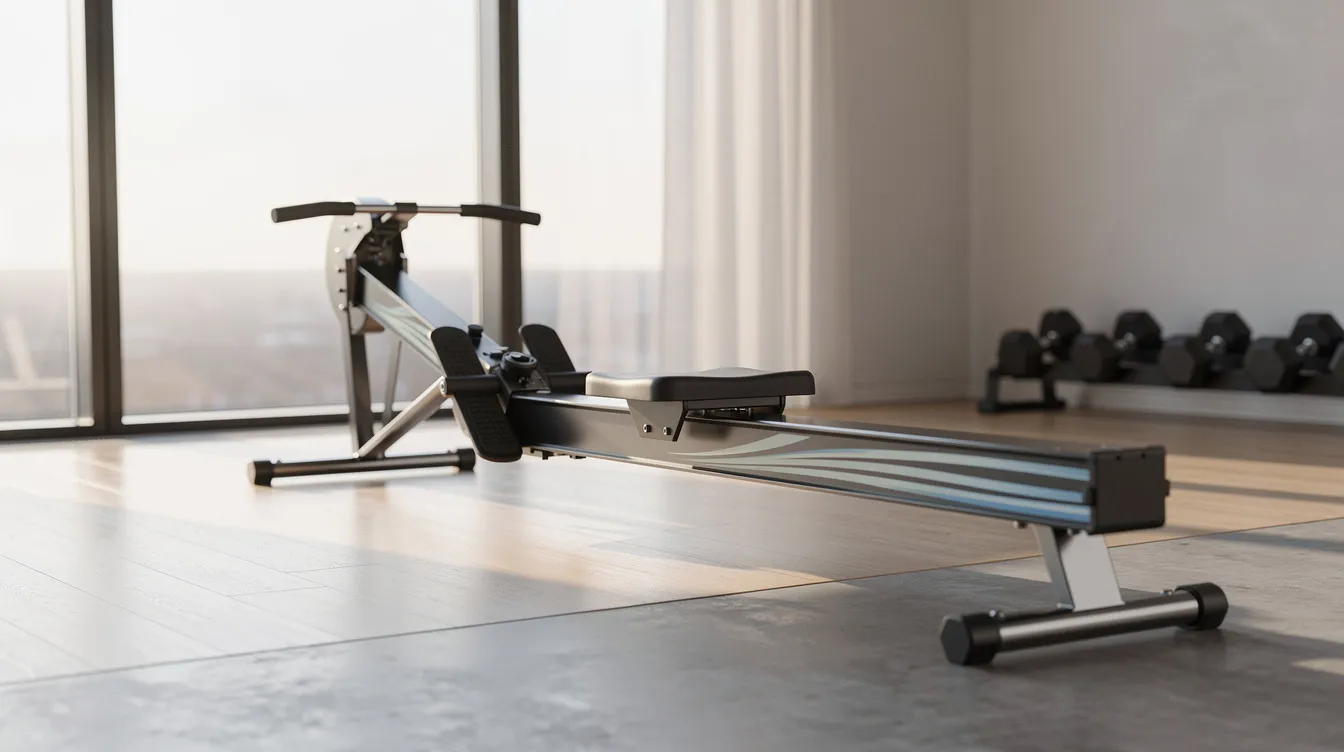
A rowing machine is one of the few pieces of cardio equipment that works your entire body in a single motion, delivering serious muscle engagement across your legs, back, arms, and core with every stroke. Indoor rowing machines have grown popular precisely because they combine cardio and strength work in one compact unit.
Pros:
- Full body workout that builds cardiovascular endurance and strength simultaneously
- Low-impact movement that's gentle on joints, including the knees
- Compact footprint, and many rowing machines store upright or slide under furniture
- Scalable intensity for beginners and advanced athletes alike
Cons:
- Proper form takes practice; poor technique on a rowing machine can strain the lower back
- Less intuitive than walking or indoor cycling for first-time users
- Can feel repetitive without workout variety or programming
Best for: People who want maximum workout efficiency in minimal space, anyone looking to combine cardio with strength training, and those seeking a joint-friendly option that still delivers a serious calorie burn and full body workout.
Recumbent Bikes and Exercise Bikes: Pros, Cons, and Who They're Best For
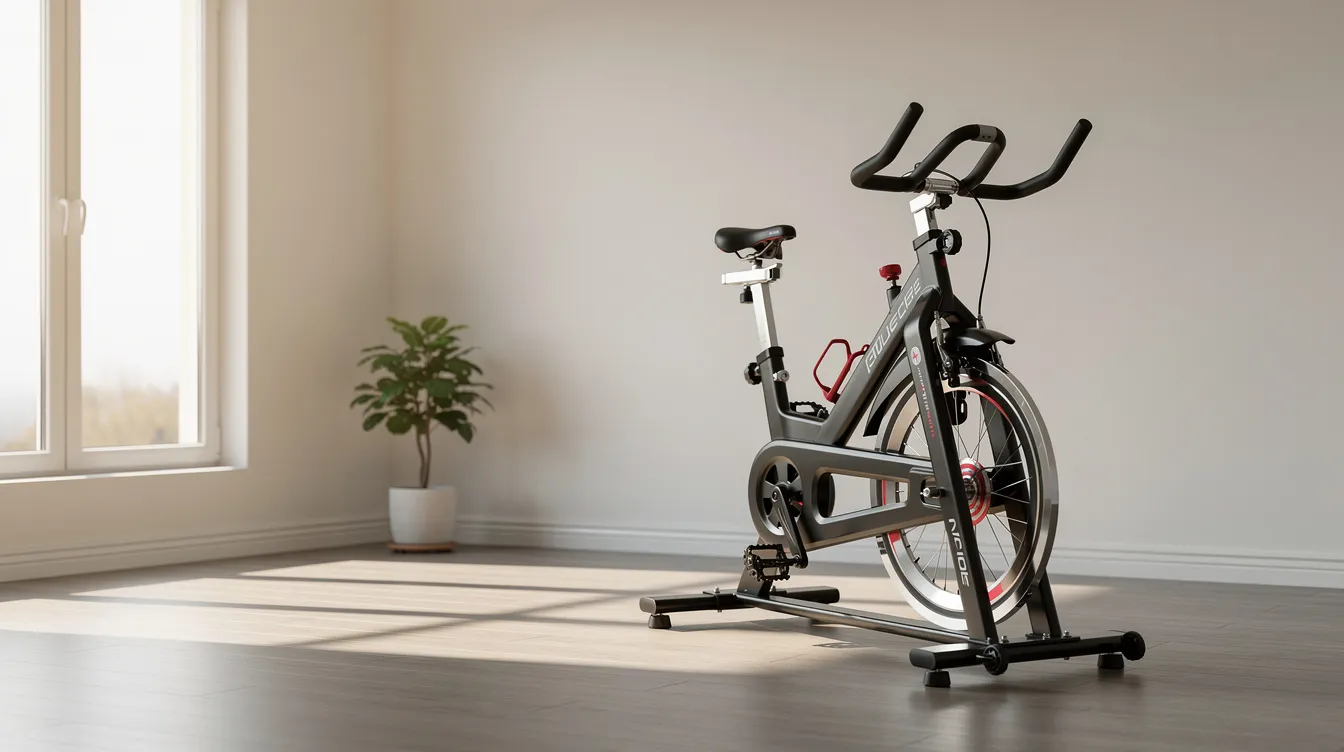
Exercise bikes, particularly recumbent bikes with a reclined seat and back support, are built around comfort and accessibility. Whether you choose an upright model or one of the many recumbent bikes on the market, they're often the easiest machine to use consistently over long periods, and a strong option if indoor cycling appeals to you more than rowing or running.
Pros:
- Extremely low-impact, ideal for joint pain, knee pain, arthritis, or recovery from injury
- Comfortable seated position supports longer workout sessions
- Simple to use, with a very short learning curve
- Great option for beginners, older adults, or anyone easing back into exercise or starting a new fitness journey
Cons:
- Lower overall calorie burn compared to treadmills or rowing machines at the same perceived effort
- Works primarily the lower body, with less upper body or core engagement than a full body workout
- Can feel less intense without added resistance or interval programming
Best for: Older adults, people managing joint pain or recovering from injury, beginners easing into a fitness routine, and anyone who wants a comfortable machine for longer, lower-intensity indoor cycling sessions.
Head-to-Head: Calories Burned and Weight Loss
Calorie burn depends heavily on intensity and body weight, but general patterns hold true across most users comparing an exercise bike vs rowing machine or either against a treadmill. Treadmills and rowing machines tend to burn calories at a similar, higher rate when used at moderate-to-vigorous intensity, since both engage large muscle groups and elevate heart rate quickly. Exercise bikes and recumbent bikes typically burn fewer calories per minute at a comparable perceived effort, largely because the seated position and lower-impact movement place less overall demand on the body. That said, a longer, sustained exercise bike session can still add up to a solid calorie burn over time, especially for people who can maintain it longer because it's more comfortable, which matters if your primary fitness goal is weight loss and consistency over raw intensity.
Head-to-Head: Joint Impact and Low-Impact Considerations
This is where the three machines diverge the most. Treadmills, especially at running speeds, place repeated impact on the knees, hips, and ankles with every stride, which can be a concern for anyone already managing knee pain. Rowing machines are low-impact since the seat glides and the feet stay planted, though proper form matters to protect the lower back. Recumbent bikes and upright exercise bikes are the gentlest option of the three: the seated, supported position minimizes stress on joints almost entirely, which is why they're so often recommended for people managing arthritis, recovering from surgery, or simply looking to protect their joints long-term while still getting a real cardio workout.
Head-to-Head: Space, Cost, and Maintenance
Treadmills generally require the most floor space and the highest budget, particularly for models with larger belts, higher weight capacities, or advanced console features. They also have the most moving parts, meaning belts, motors, and decks need periodic maintenance to stay in good working order. Rowing machines are typically more compact, and many models fold or store vertically, making them a strong choice for smaller rooms or apartments. Exercise bikes and recumbent bikes vary widely in size and price, but they tend to have simpler mechanical designs than treadmills or indoor rowing machines, which usually means less maintenance over time.
Which One Is Right for Your Fitness Goals?
If you're training for a run, want the highest calorie burn, and don't have joint concerns, a treadmill is likely your best fit. If you want maximum efficiency, a full body workout, and a compact footprint, a rowing machine is hard to beat, and it's a great answer if you're deciding between a bike or rowing machine and want more upper body engagement. If comfort, joint protection, and ease of use matter most, especially for longer sessions or if you're newer to exercise, an exercise bike or one of the many recumbent bikes on the market is the smarter choice.
Many home gyms actually benefit from combining two of these machines, since a rowing machine or exercise bike can complement a treadmill on rest days or serve as active recovery, giving you variety without overtraining any single joint or movement pattern. Rotating between rowing vs cycling days is also a simple way to keep a cardio workout routine from feeling stale.
Visit Fitness Master to Try Before You Buy
Reading specs online only tells part of the story. The best way to know which machine fits your body and your fitness goals is to actually get on it. Fitness Master in Pensacola carries treadmills, rowing machines, and exercise bikes, including recumbent bikes, from trusted brands, and their team can walk you through the tradeoffs based on your specific needs, whether that's joint health, available space, or training goals.
Stop by the showroom to test different machines side by side, ask questions, and get a personalized recommendation instead of guessing from a product listing.
FAQ
Exercise bike vs rowing machine: which burns more calories?
Rowing machines and treadmills generally burn calories at a similar, higher rate when used at moderate-to-vigorous intensity, since both engage large muscle groups. Exercise bikes typically burn fewer calories per minute at a similar perceived effort, though intensity, duration, and body weight all significantly affect actual results.
Is a rowing machine better than a treadmill for weight loss?
Both can be effective for weight loss when used consistently at sufficient intensity. Rowing machines add the benefit of engaging the upper body and core alongside the legs, which some people find helps them sustain longer or more frequent sessions and stick with their fitness goals. The best machine for weight loss is ultimately the one you'll actually use regularly.
Is rowing good for your knees?
Yes, rowing is generally considered a low-impact exercise that's gentle on the knees, since the feet stay planted, and the seat glides rather than absorbing impact. Proper form matters, though; rounding the back or using improper technique on indoor rowing machines can create strain elsewhere, particularly in the lower back.
Can I get a full body workout from a recumbent bike alone?
A recumbent bike provides an effective lower body cardiovascular workout, but it engages fewer muscle groups than a treadmill or rowing machine. It's an excellent primary option for people prioritizing joint health or building an exercise habit, and it can be paired with strength training for a more complete fitness routine.
How much space do I need for a treadmill versus a rowing machine?
Treadmills typically require the most floor space, even when folded for storage, due to their length and width. Rowing machines are generally more compact, and many models fold or store upright, making them a better fit for smaller rooms, apartments, or shared workout spaces.
Do I need to buy all three types of cardio equipment?
No. Most people do well with one primary machine matched to their fitness goals and physical needs. That said, combining two machines, such as a treadmill with a rowing machine or an exercise bike, can add workout variety and reduce repetitive strain from doing the same movement every session.